On Friday, 12 May, England's National Health Service was hit by a ransomware known as "WannaCry"
- The massive attack shut down work at 16 hospitals across the United Kingdom.
According to The Guardian, the attack happened at roughly 12.30PM local time.
The ransomware threatens hospitals that they will lose access to patient records and other files if they don't pay money to the hackers. - By evening, the ransomware had spread to the United States, South America, Europe, Russia, and Taiwan
- Car manufacturers like Nissan and Renault halted their production in several of their factories across the UK.
Other organisations hit include the Swedish engineering firm Sandvik, the German train operator Deutsche Bahn, FedEx, the Russian Interior Ministry, and several global telecoms companies. - Most recently, Malaysia and Singapore have been added to the growing list of countries hit by the attack
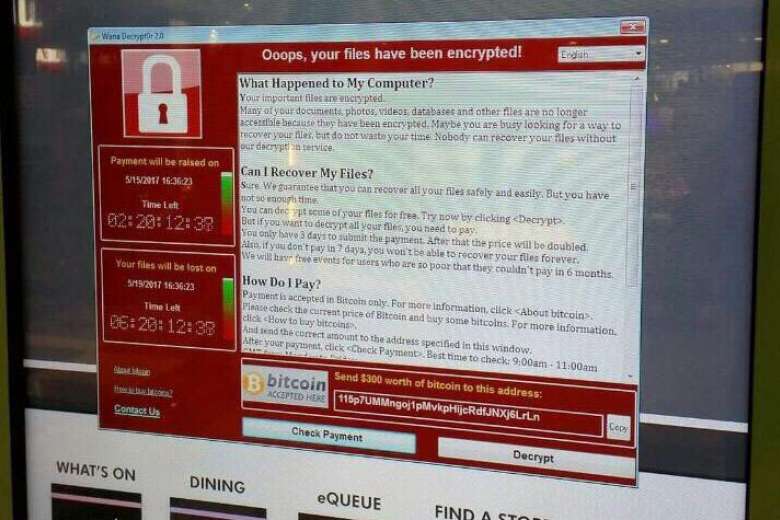
- A digital display at Tiong Bahru Plaza shows a ransomware message.
- A digital directory service at Tiong Bahru Plaza in Singapore was affected by the WannaCry virus over the weekend.
A representative from the mall has confirmed to Channel NewsAsia that there was no sensitive information in the directories and that neither money nor bitcoins were paid to the hackers.
A real-time map of the attack puts Malaysia and Singapore as the countries affected by WannaCry. - CyberSecurity Malaysia, an agency under the Science, Technology and Innovation Ministry, has urged Internet users to be cautious with their machines
- Dr. Amirudin Abdul Wahab.
- "We urge system administrators to patch their systems as soon as possible and keep their users aware of the new ransomware in order to prevent them from opening suspicious e-mails and files," said chief executive officer Datuk Dr Amirudin Abdul Wahab as quoted by The Star.
According to local IT security service provider, LGMS, at least 10 computers have been infected by the ransomware over the weekend. - How does WannaCry work?
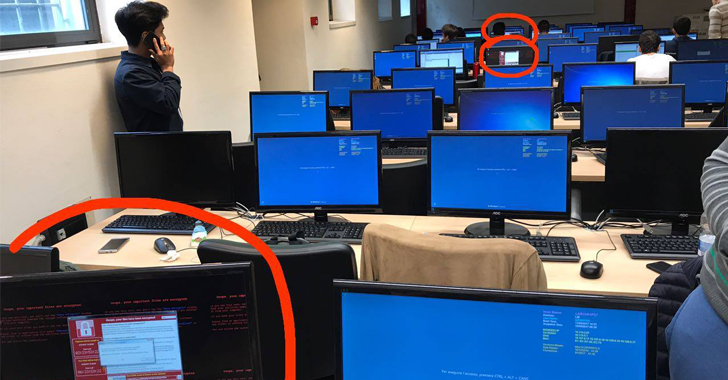
- Multiple computers being attacked by WannaCry in an office.
- Ransomware is a kind of cyber attack that involves hackers taking control of a computer system and blocking access to it until a ransom is paid.
The virus gets into a computer when a user clicks or downloads malicious files.
The user then gets a random demand which must be paid for access to be restored. Security experts warn there is no guarantee that access will be granted after payment. - Here's what you can do to protect yourself against the attack:
- 1. Install and use an up-to-date antivirus solution (such as Microsoft Security Essentials and Kaspersky).
2. Make sure your software is up-to-date.
3. Avoid clicking on links or opening attachments or emails from people you don't know or companies you don't do business with.
4. Install browser extensions that help identify reported phishing and malware websites.
5. Regularly backup your important files.




Comments
Post a Comment